

China’s Recent Economic Liberalization Efforts and the Implications of Trump’s Presidency - Writer: Trency D'souza. Date Written: 25/11/2024
- Insights Digest
- Nov 25, 2024
- 3 min read


In September 2024, China unveiled a significant economic stimulus package aimed at revitalizing its slowing economy and boosting investor confidence. This comprehensive plan, driven by the People's Bank of China (PBOC), introduces wide-ranging monetary, property, and capital market measures to address challenges stemming from a prolonged property market slump, weak consumer demand, and global economic uncertainties. Key Components of the 2024 Stimulus Package:
Monetary Easing Measures:
The PBOC has implemented aggressive monetary policies to inject liquidity into the financial system:
· A 0.5 percentage point cut in the reserve requirement ratio (RRR), injecting approximately RMB 1 trillion (US$137 billion) into the economy.
· A 20 basis point reduction in the seven-day reverse repo rate to 1.5%.
· Cuts to loan prime rates (LPR) and deposit rates to boost lending.
Property Market Support:
To stabilize the struggling real estate sector, the government has introduced:
· A 50 basis point reduction in mortgage rates for existing loans, potentially lowering household interest expenses by RMB 150 billion annually.
· Lowering the down payment requirement on second homes to 15% from 25%.
· Lifting home purchase restrictions in some tier-2 cities and partial easing in tier-1 cities like Shanghai and Shenzhen.
Stock Market Measures:
To bolster financial markets, China has introduced new tools:
· A 500 billion RMB equity facility allowing non-banking entities to use high-quality equity holdings as collateral for central bank loans.
· A 300 billion RMB quota for listed companies to apply for refinancing loans for share buybacks.
The immediate market reaction was substantial, with the CSI 300 index surging 4.3% and the Shanghai Composite Index jumping 4.15%, its largest rise in over four years. Hong Kong's Hang Seng Index also saw gains, rising nearly 3% to hit its highest point since March 2022.
The Implications of Trump’s Presidency:
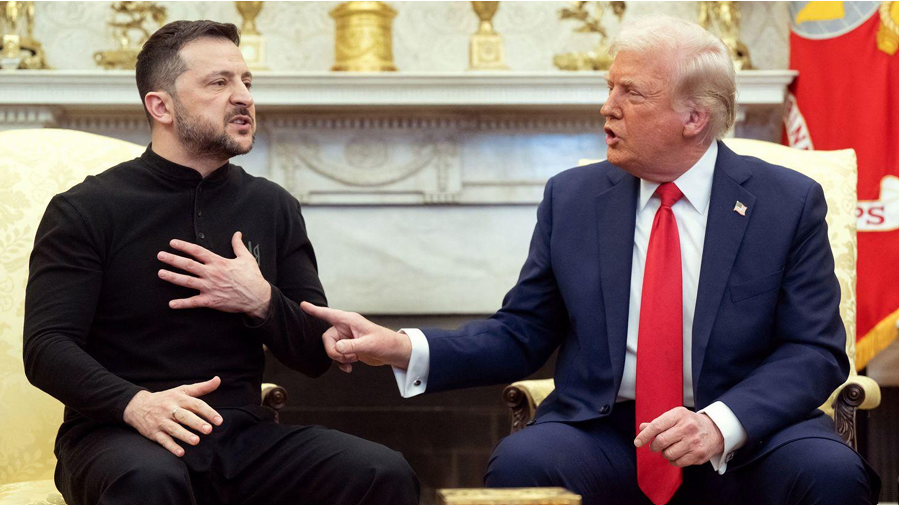
With Donald Trump's return to the presidency, China is preparing for a potentially tumultuous period in its relationship with the United States. Trump has threatened to impose tariffs as high as 60% on Chinese imports, which could significantly impact China's already struggling economy. Analysts predict that such steep tariffs could reduce China's GDP growth by up to two percentage points, nearly halving its anticipated growth rate of around 5% for 2024. This would exacerbate existing issues, including a downturn in the property market, rising unemployment, and weak consumer demand.
However, some experts argue that these tariffs could inadvertently push China to accelerate its shift towards a consumption-driven economy. Chen Zhiwu, a finance professor at the University of Hong Kong, suggests that increased tariffs might compel Beijing to stimulate domestic consumption more aggressively, which has historically lagged behind levels seen in the U.S. Currently, domestic consumption accounts for about 60% of China's GDP compared to 70-80% in the U.S. This shift could help mitigate some of the adverse effects of lost exports due to tariffs.
Moreover, Trump's protectionist policies may weaken U.S. global alliances and create opportunities for China to strengthen ties with other countries wary of American trade practices. As Trump adopts a more aggressive stance on trade and technology restrictions, China may respond by enhancing its own domestic capabilities and diversifying its trade partnerships.
In summary, while Trump's presidency poses significant risks for China through potential economic sanctions and trade disruptions, it may also serve as a catalyst for necessary reforms within the Chinese economy.Global investors have shown a clear shift away from Chinese equities in recent years. China-focused equity funds experienced significant outflows, with investors withdrawing approximately $2.5 billion in 2022 and an additional $3 billion in 2023. This trend contrasts sharply with the strong inflows seen in 2020 and 2021, when these funds attracted $11 billion and $4 billion respectively. The recent outflows from 5th November 2024 to 12th November also reflects growing concerns about China's economic stability and the potential implications of a renewed Trump presidency, prompting investors to reassess their positions in the Chinese market as they brace for possible volatility ahead.
References:
Briefing, C. (2024a). China’s Economic Stimulus Package: What Investors Need to Know. [online] China Briefing News. Available at: https://www.china-briefing.com/news/decoding-chinas-recent-economic-stimulus-package-what-investors-need-to-know/.
Briefing, C. (2024b). Trump 2.0: What Does it Mean for China? [online] China Briefing News. Available at: https://www.china-briefing.com/news/trump-china-us-relations-2024-election-victory-implications-businesses/.
Dws.com. (2019). China’s rescue mission. [online] Available at: https://www.dws.com/en-gb/insights/cio-view/cio-flash/cwf-2024/chinas-rescue-mission/
Gan, N. (2024). Economic upheaval and political opportunity – what Trump’s return could mean for China. [online] CNN. Available at: https://edition.cnn.com/2024/11/07/china/china-second-trump-presidency-intl-hnk/index.html.
Inocencio, R. (2024). Experts say Trump’s threatened China tariffs could actually help Beijing weather an economic storm. [online] Cbsnews.com. Available at: https://www.cbsnews.com/news/trump-china-tariff-could-actually-help-beijing-economy-amid-taiwan-standoff/.
Ravindra Sonavane (2024). Stimulus Effect: China, Hong Kong markets soar together; $3 trillion surge in two weeks. [online] Moneycontrol. Available at: https://www.moneycontrol.com/news/business/earnings/stimulus-effect-china-hong-kong-markets-soar-together-3-trillion-surge-in-two-weeks-12835215.html
Silva, J. da (2024). China is trying to fix its economy - Trump could derail those plans. BBC News. [online] 8 Nov. Available at: https://www.bbc.co.uk/news/articles/c0qdz1jne91o.
Valerio Baselli (2024). Are Investors Ready for Trump vs. China, Round 2? [online] Morningstar, Inc. Available at: https://www.morningstar.com/markets/are-investors-ready-trump-vs-china-round-2

Comments